

Track Installation Resources for Architects & Contractors









Timing & Results Infrastructure Essentials
Designing a modern timing system starts long before race day.
FinishLynx has helped architects, contractors, and builders implement timing and results infrastructure in thousands of venues worldwide. Whether you’re planning a new stadium or upgrading an existing facility, early integration of timing technology ensures a more flexible, scalable, and reliable system.
By planning for power, connectivity, and data flow from the beginning, you can avoid costly changes later, and deliver accurate, professional results from day one.
Connections
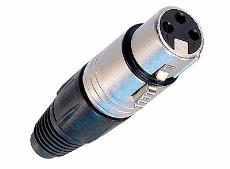
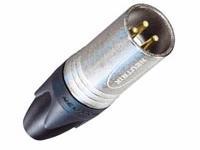
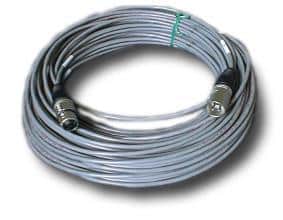
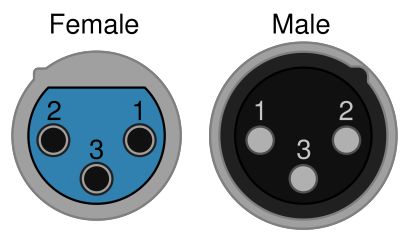
All cables & connectors are industry standard and can be installed by most licensed electrical contractors, including Serial, Ethernet, XLR-3, and Fiber Optics.
Underground Conduits
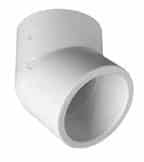
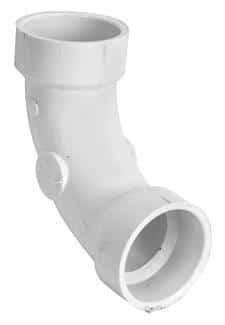
Underground conduits are essential for running wires throughout the venue to support timing cameras and accessories. Recommended 2³ min. width & 45:° or 90:° elbows.
Junction Boxes
Junction Boxes,Should be located near the finish line,ideally on both inside and outside of the track. Provide AC Power and optional access to Serial, Ethernet, and XLR-3 cables.
Weather-Proof Materials
Venues should provide adequate protection for all cables and connections against wind, water, and snow. This includes outlet covers, conduit caps, & junction box drainage.
Trusted by
World-Class Venues
FinishLynx technology is used in elite venues across the globe, including:
Hayward Field – USA
Estádio Mangueirão – Brazil
Gombak Stadium – Singapore
Novogorsk Olympic Training Center – Russia
Mexican Olympic Sports Center – Mexico
Icahn Stadium – USA
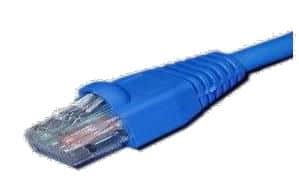
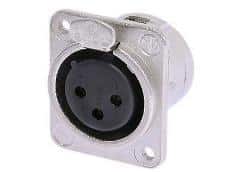
Industry-Standard Connections
FinishLynx uses common connection types such as Ethernet, serial, and XLR-3, making installation easier for licensed contractors and simpler to maintain over time.
Power & Data
Modern Vision cameras run on Power-over-Ethernet, allowing power and communication to be delivered efficiently wherever cameras are installed.
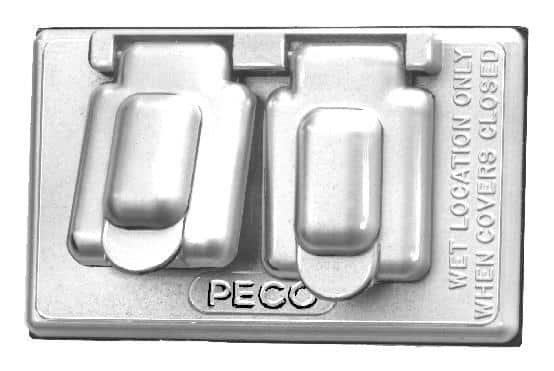
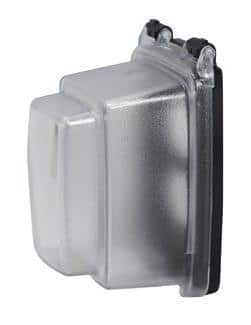
Weatherproofing
Weather-resistant covers, sealed enclosures, and proper drainage help protect exposed infrastructure and improve reliability in outdoor venues.
In-Ground Conduits
Minimum 50 mm conduit with sweep elbows helps protect cables, support clean routing, and leave room for future expansion.
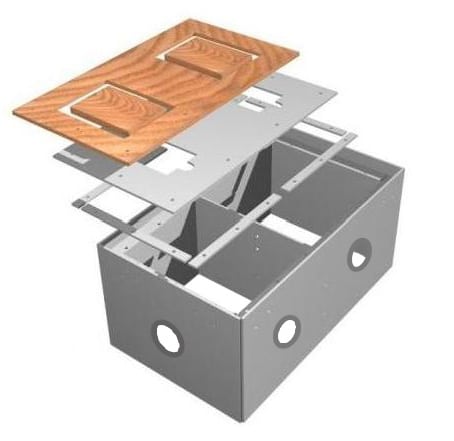
Junction boxes are the foundation of a reliable timing infrastructure and should be designed with durability, accessibility, and future expansion in mind.
- Install junction boxes on both the inside and outside of the track near the finish line
- Use in-ground boxes with drainage or open-bottom designs to prevent water buildup
- Separate power and communication lines within each box
- Include multiple conduit connections to support redundancy and future upgrades
When connecting boxes:
- Use minimum 2” (50mm) conduit with sweep elbows
- Avoid sharp 90° bends for fiber optic cable to prevent damage
- Plan for at least three conduit runs at the finish line for flexibility
These best practices ensure your system remains scalable and reliable over time, even as technology evolves.
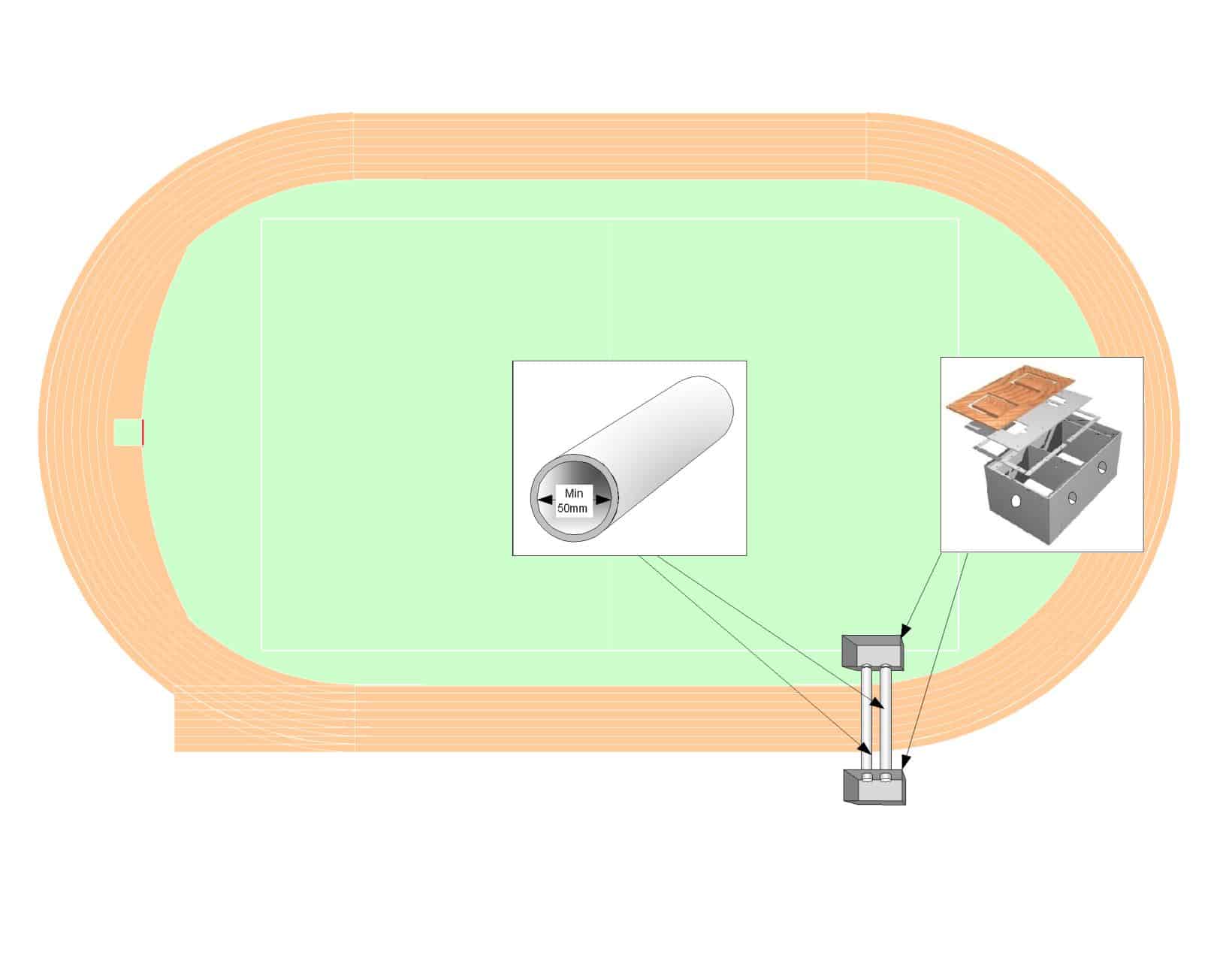
A basic configuration provides everything needed to support a fully automatic timing system at a typical track facility.
Minimum recommended setup:
- A pair of junction boxes located on opposite sides of the finish line
- Underground conduit (2” minimum) connecting both boxes
- Ethernet connection between the finish-line camera and timing computer
- Power access (AC or Power-over-Ethernet) for cameras and accessories
This configuration supports standard race timing while keeping installation simple and cost-effective.
In retrofit situations where conduit installation is not possible, a wireless setup may be used as an alternative.
This setup is ideal for schools, training facilities, and entry-level venues while still meeting the requirements for professional timing systems.
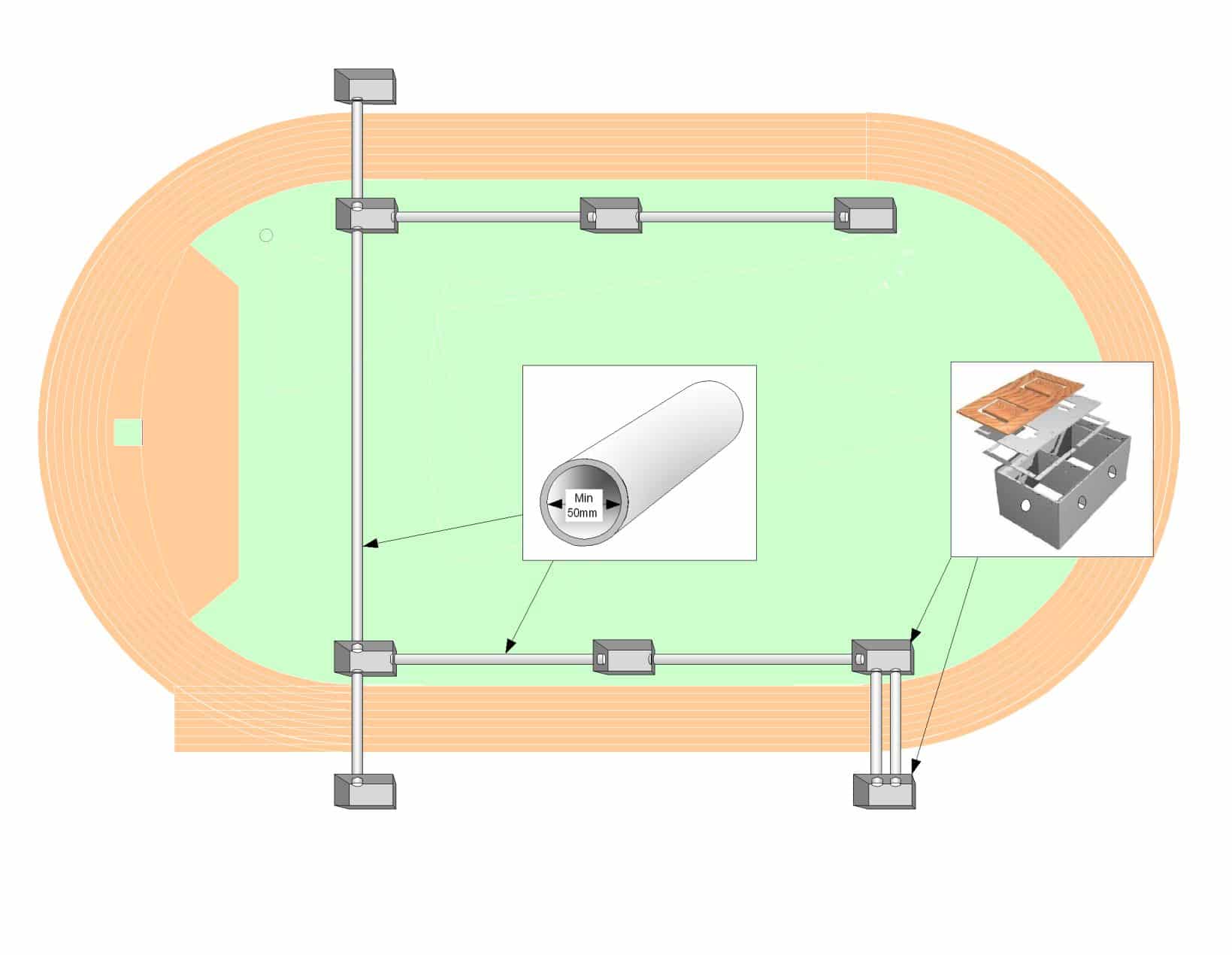
A basic configuration provides everything needed to support a fully automatic timing system at a typical track facility.
Key enhancements include:
- Multiple junction box pairs at alternate finish lines to allow race direction changes
- Dedicated conduit runs along straightaways for underground start system cabling
- XLR connection points at infield junction boxes for flexible starter positioning
- Infield power and data access for wind gauges and additional cameras
- Integration with scoreboards and display systems
Many advanced facilities also include:
- Conduits running from finish line to 100m, 200m, and 1500m start positions
- Infrastructure to support underground start signal cabling, improving safety and reducing clutter
- Connections to press boxes or control rooms for centralized operation
This approach ensures maximum flexibility for meet directors, improved safety for athletes, and long-term scalability for future upgrades