

What is Fully Automatic Timing (FAT) for Sports?
How Fully Automatic Timing Works
Fully Automatic Timing (FAT) is a widely used method of sports timing that produces digital race results accurate to at least 1/100th of a second (0.01), and often up to 1/1000th of a second (0.001). FAT systems rely on precise synchronization between the start signal, running time, and capture device to ensure reliable results.
A true FAT system is triggered automatically by the start signal—unlike manual timing methods such as stopwatches—eliminating human reaction time from the process. The finish is also captured electronically, removing delays and ensuring consistent accuracy.
Capture High Speed Images
Lynx results are accurate to at least 1/1000th of a second or more and can integrate with RFID tags & 2-D video for quick evaluation.
Produce Certified Results
Produce certified results with photo-finish technology that is trusted by athletics organizations like World Athletics, USATF, & NFHS.
Custom & Upgradeable Solutions
Each Lynx timing package can be tailored to your individual needs, and upgraded at any time as your program grows.
Integrate Accessories
Integrate other results hardware with Lynx, including RFID chips, scoreboards, photo-eyes, wind gauges, false start systems, and much more.
The Core Components of a Fully Automatic Timing System

Photo-Finish Camera
A photo-finish camera aimed at the finish line captures 1,000 frames per second for accurate, time-stamped results images approved by the NFHS.

FinishLynx Software
Powerful timing and results software captures photo-finish results & integrates hardware like scoreboards, wind gauges, and additional cameras.

Start Sensor
An integrated start sensor detects the start signal and instantly relays it to FinishLynx for accurate fully automatic timing and results.
Are There Different Types of Fully Automatic Timing Systems?
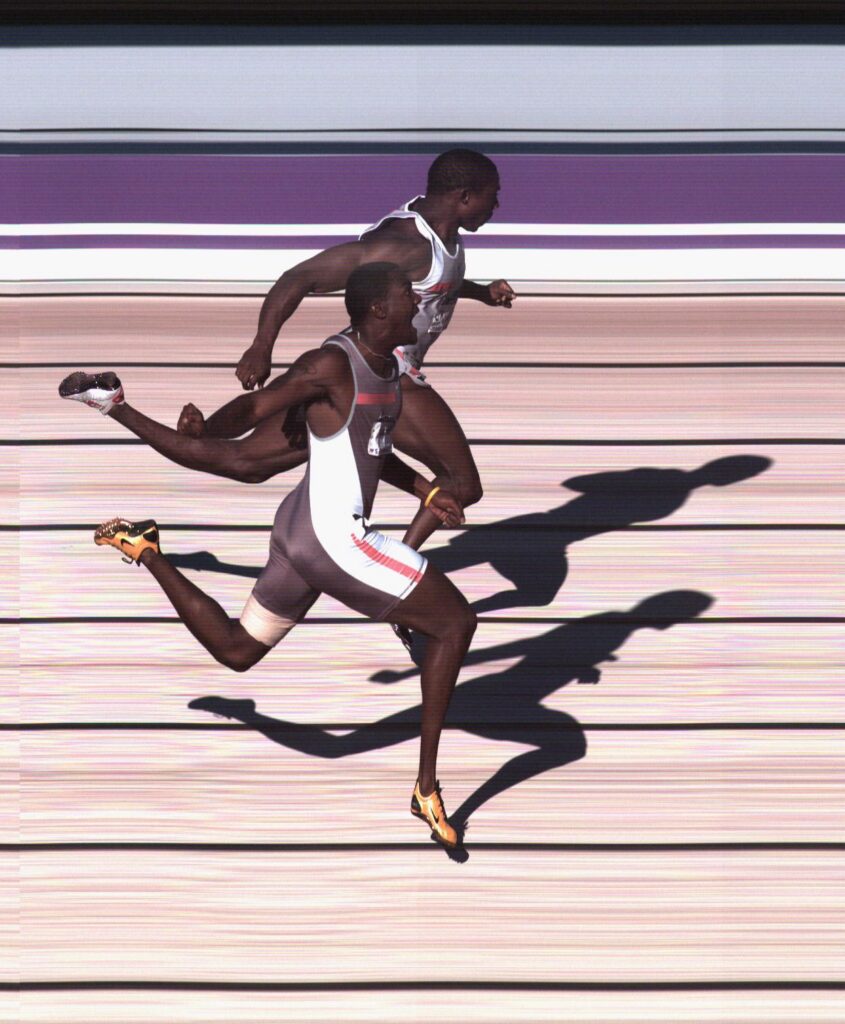
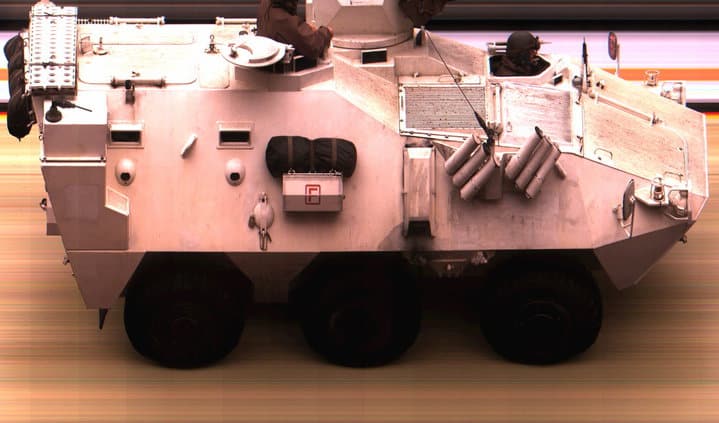
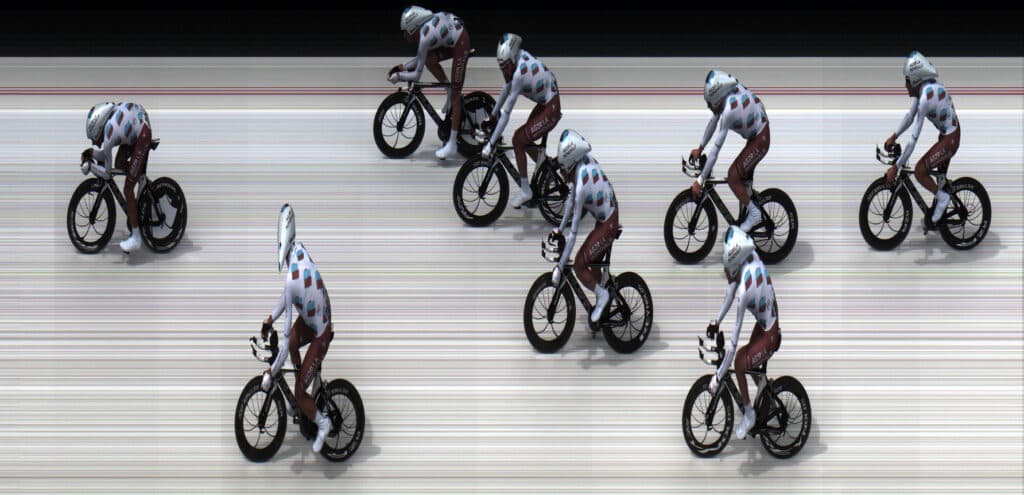
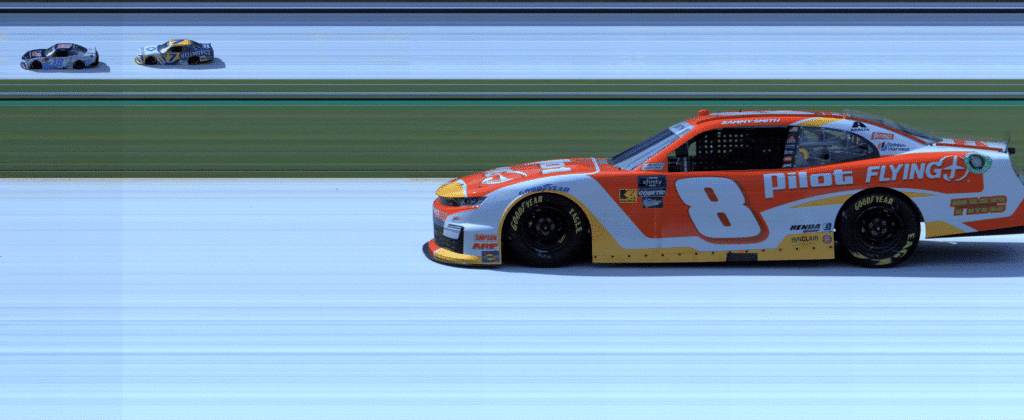
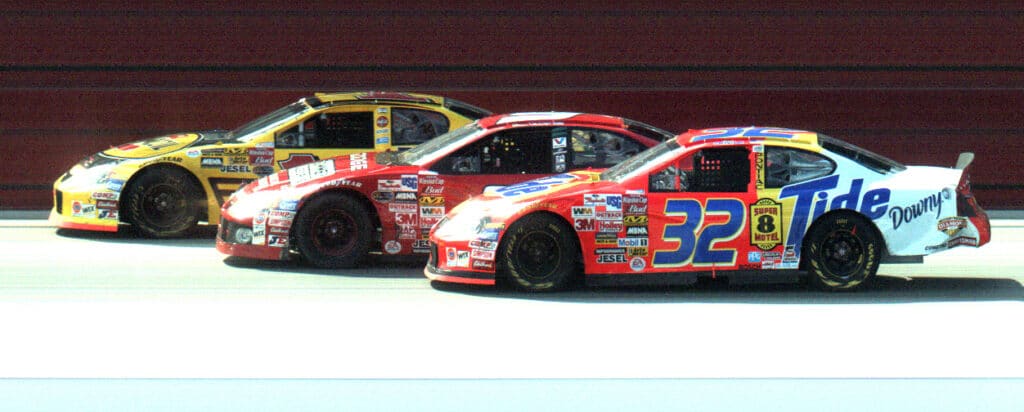
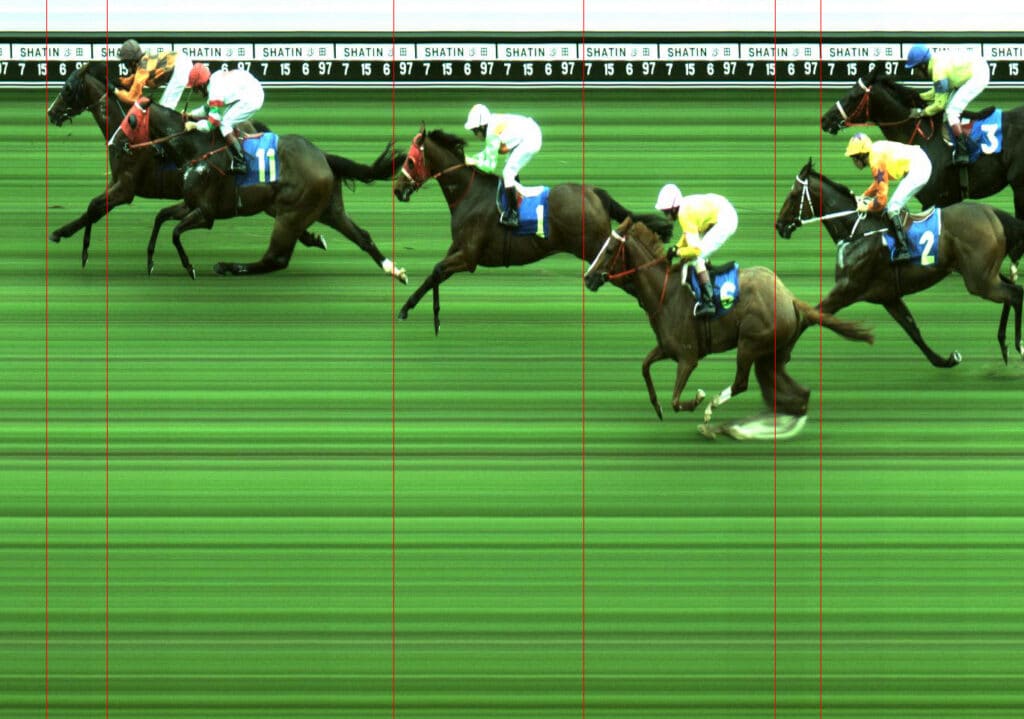
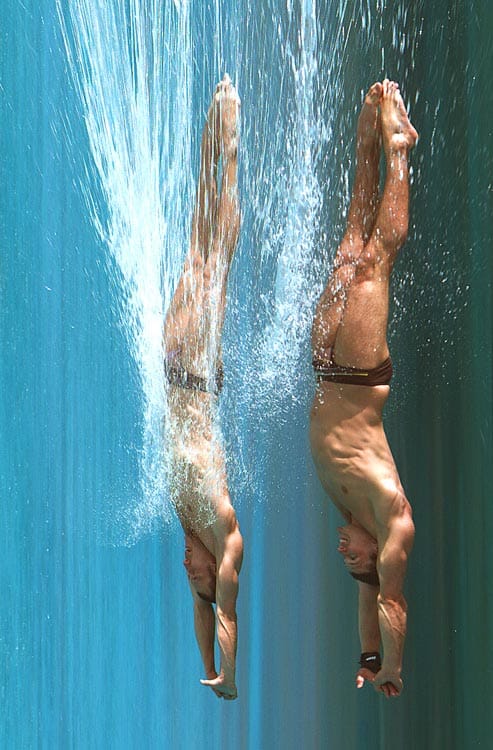
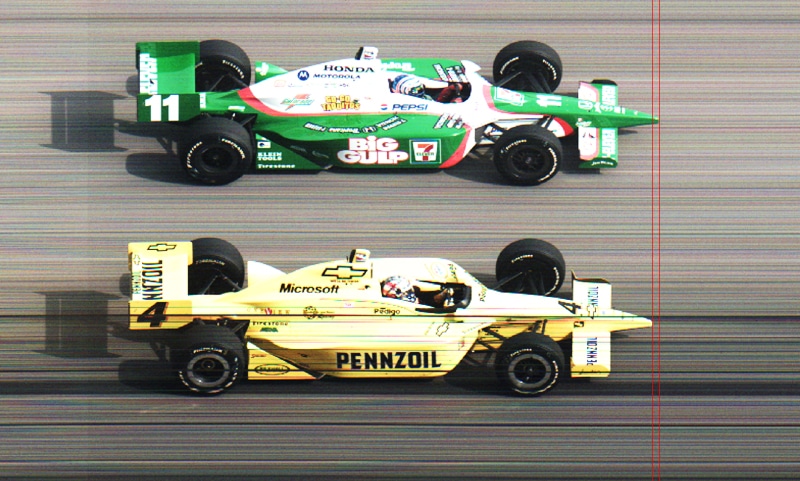
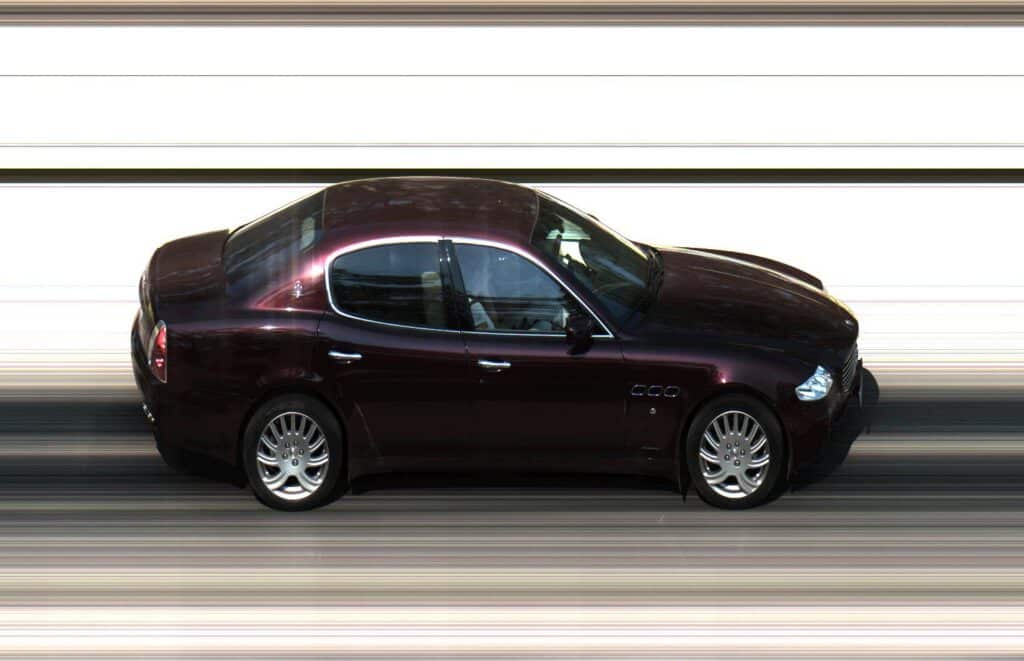
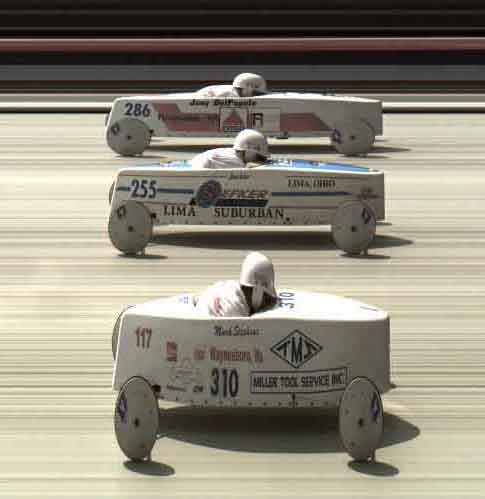
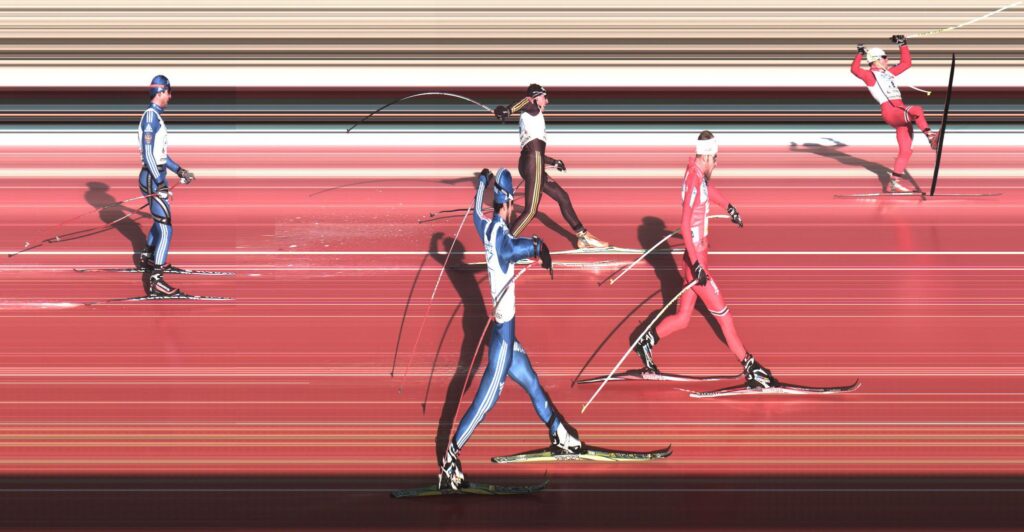
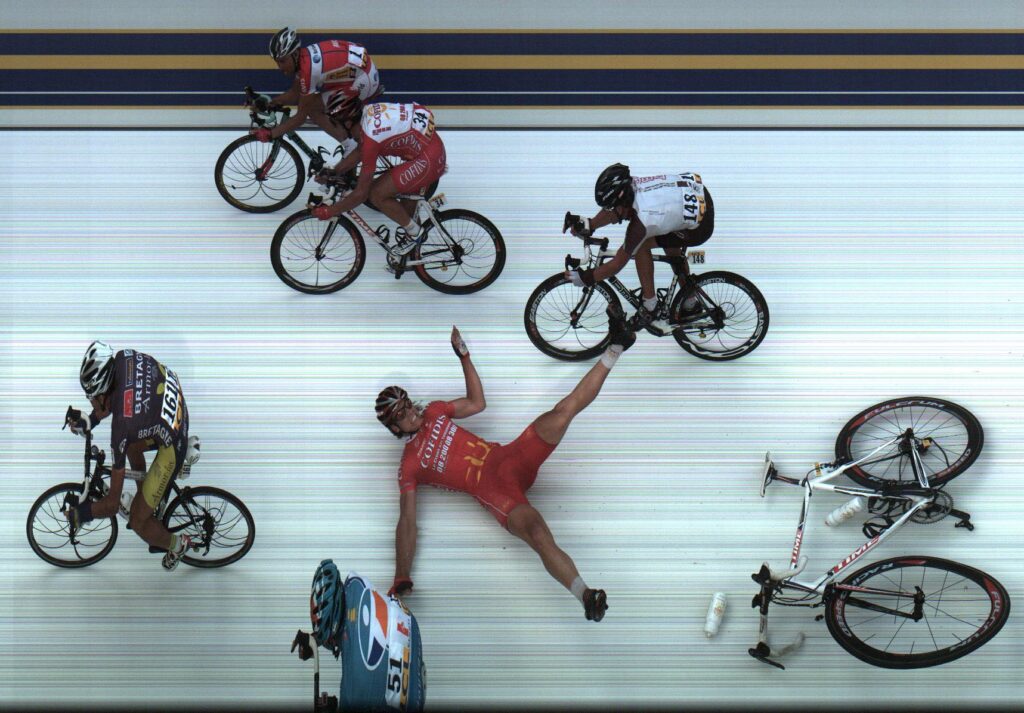
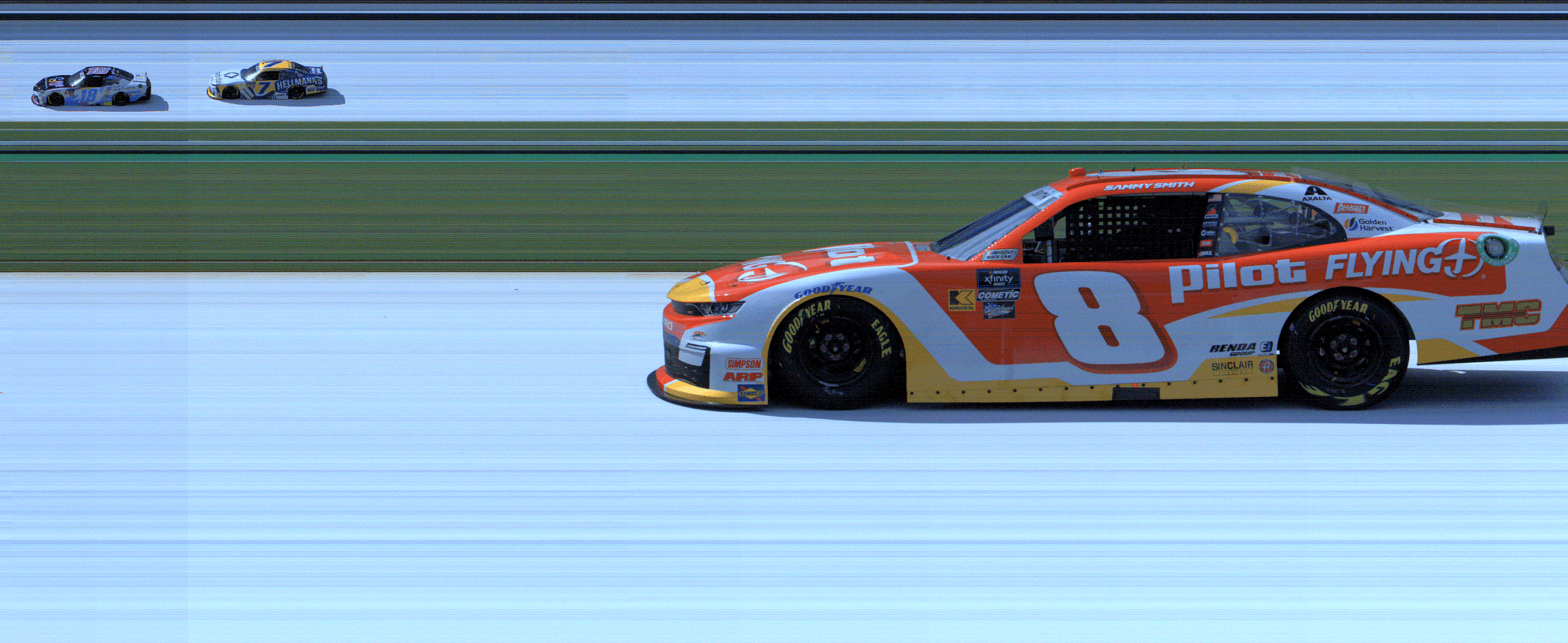
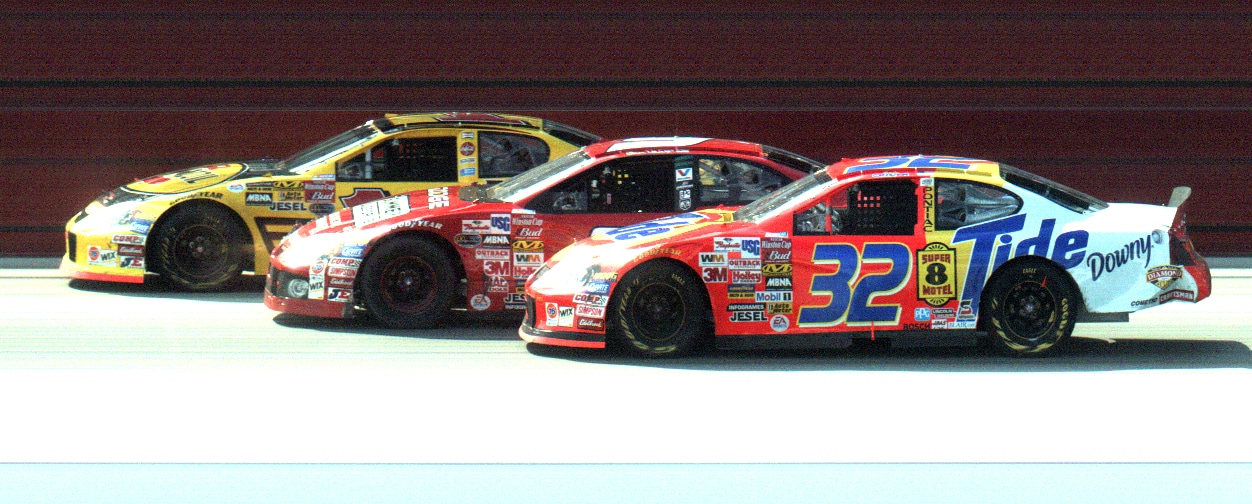
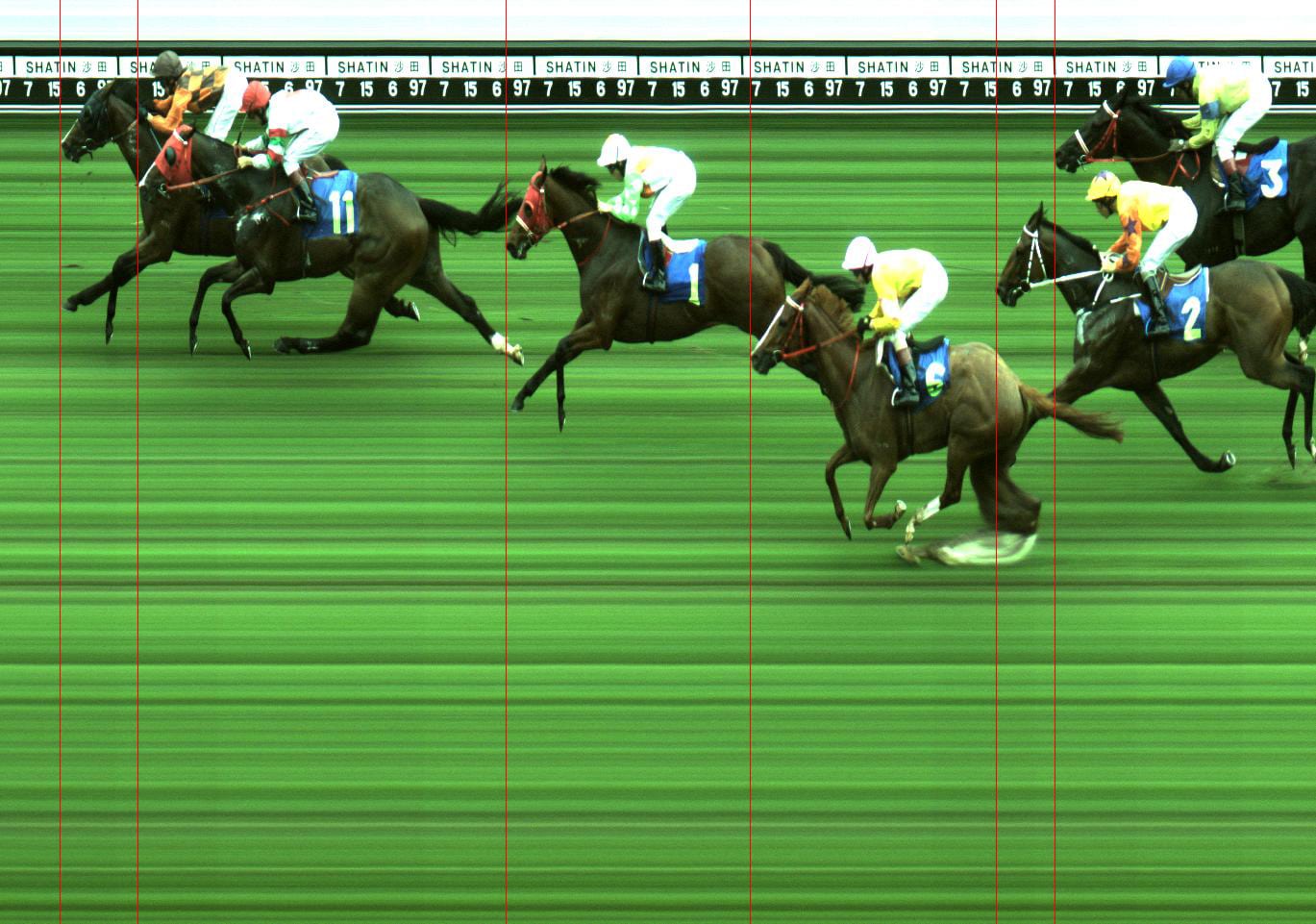
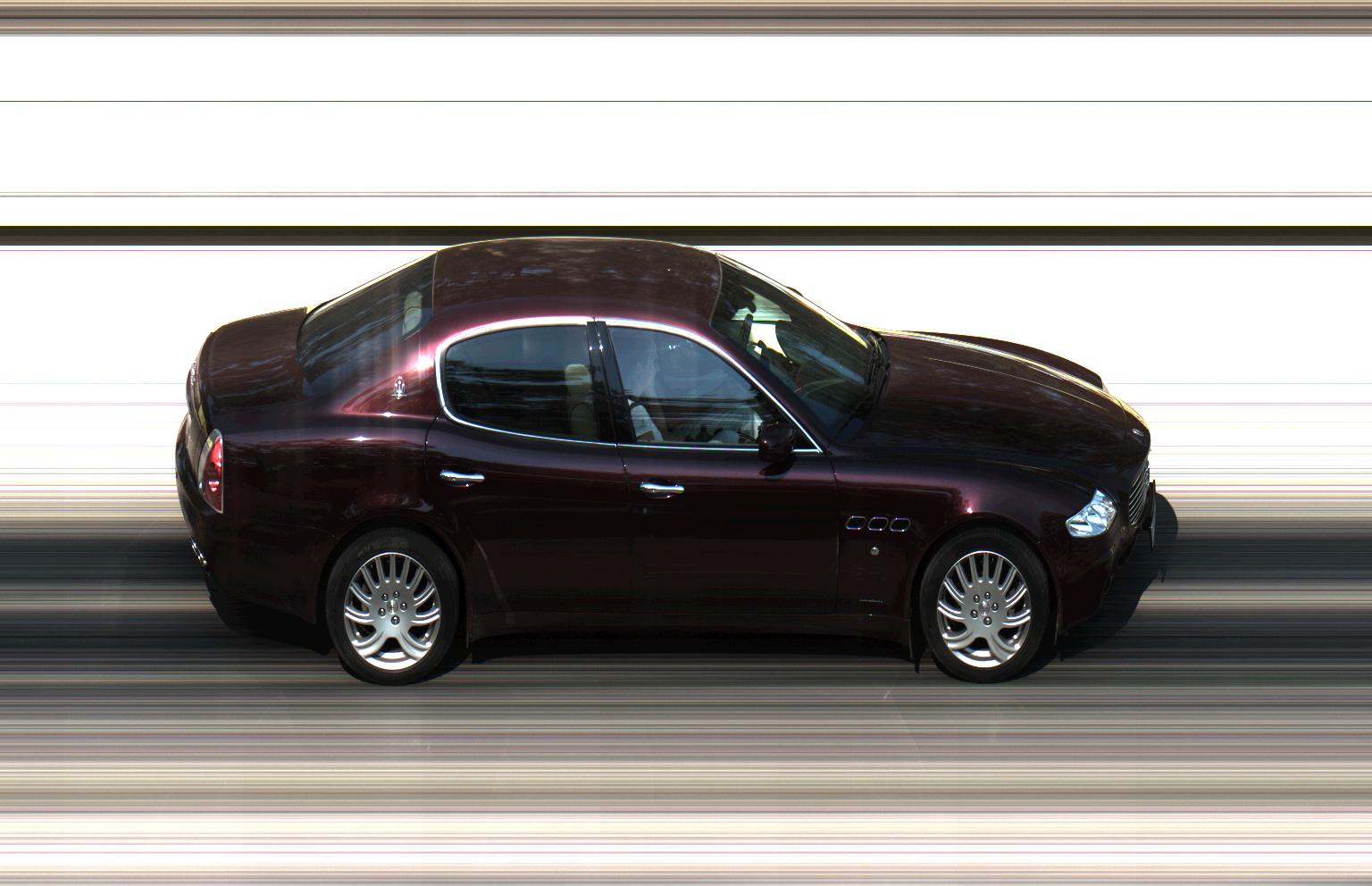
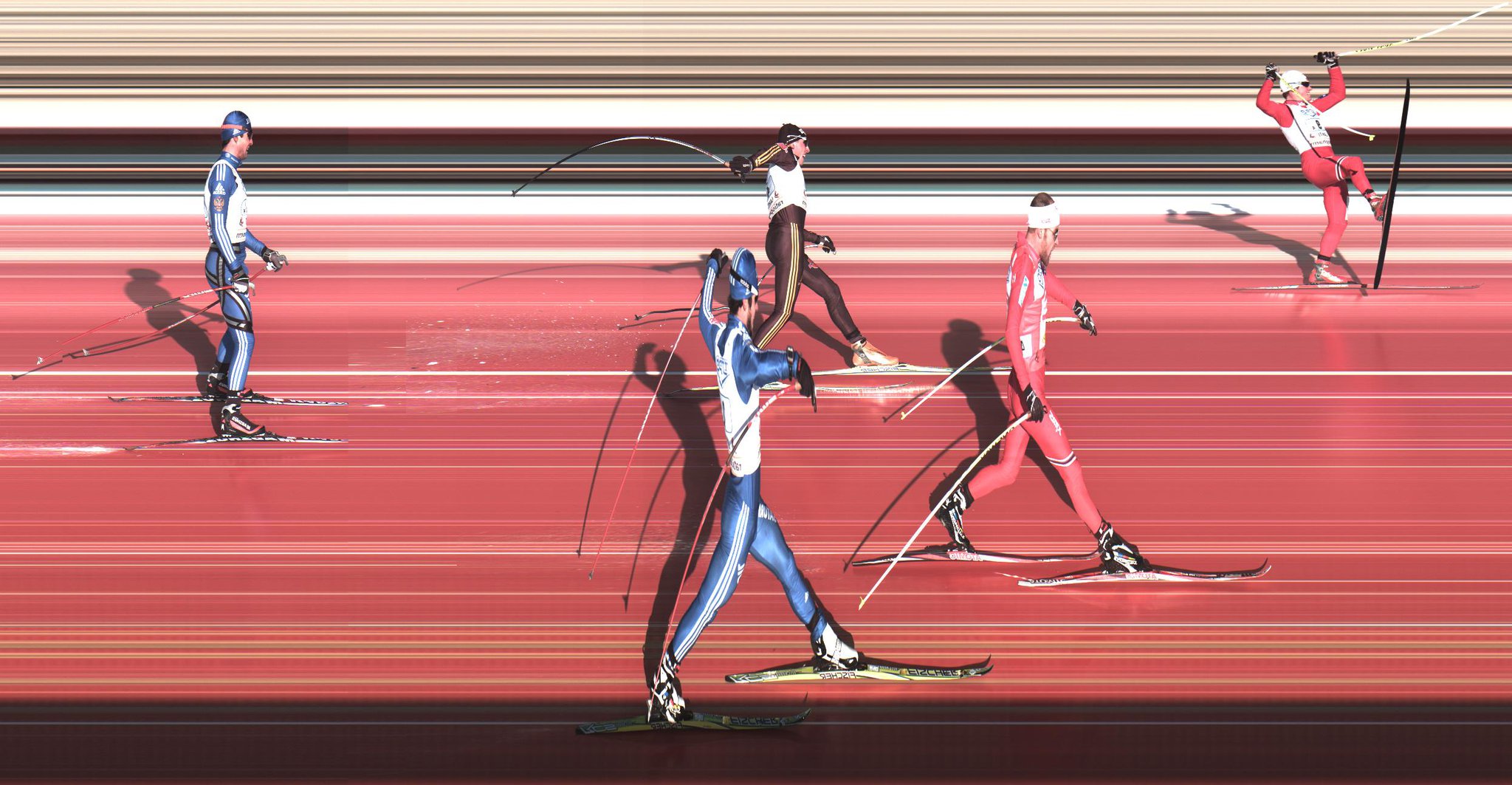
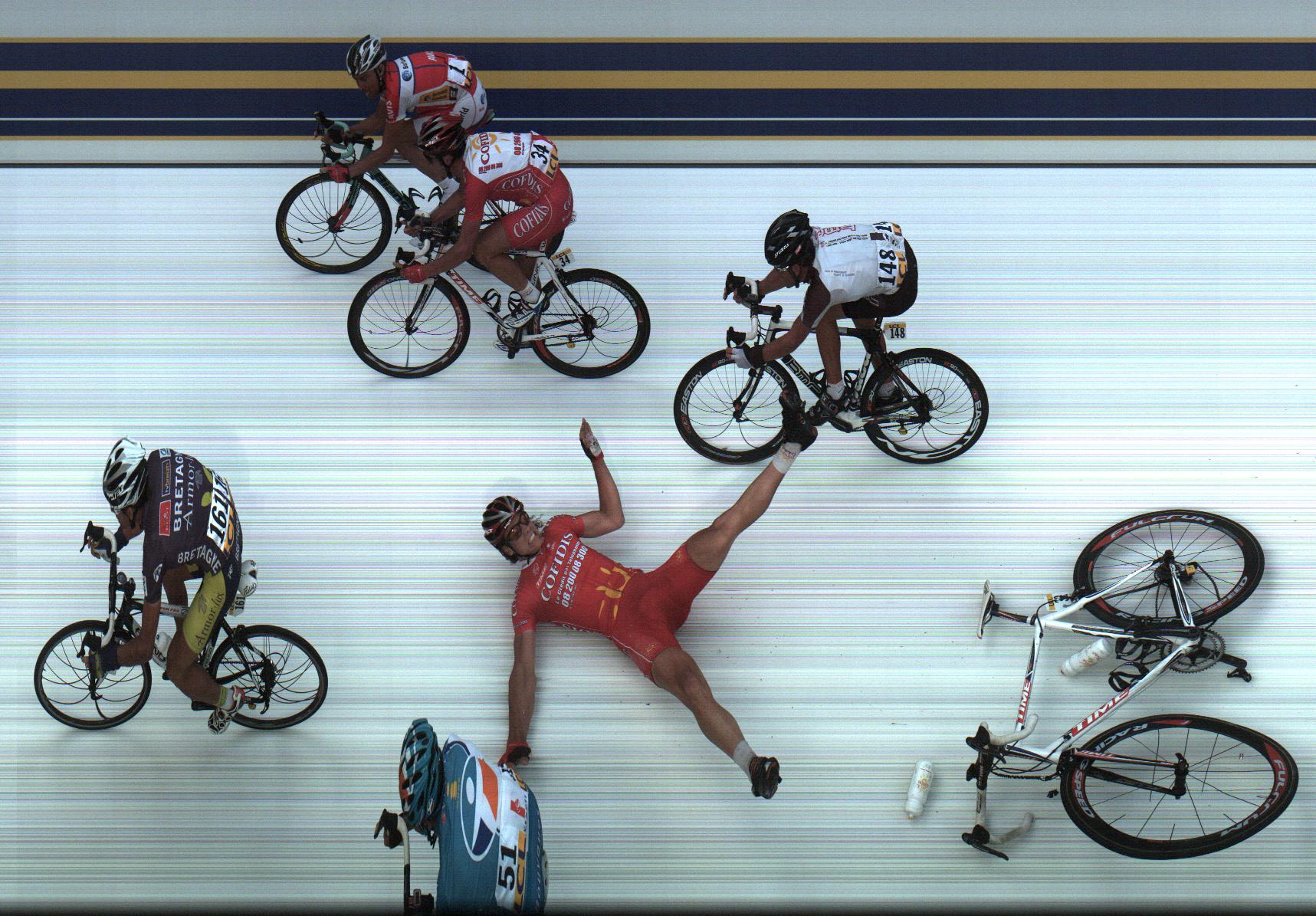
Fully Automatic Timing (FAT) systems are used at every level of sport—from local competitions to world-class events in athletics, cycling, horse racing, rowing, motorsports, speed skating, and more. While all FAT systems are designed to produce accurate finish times, the technology used to capture those results can vary depending on the sport and setup.
Common timing methods include photocells, full-frame video cameras, touchpads (used in swimming), and digital line-scan cameras. Each approach captures finish data differently, but not all offer the same level of precision. Because of this high level of precision, Lynx timing technology is used across a wide range of sports, with flexible system configurations designed to meet the needs of virtually any application.
Which Sports Timing Systems Are Most Accurate?
Not all timing technologies are created equal. Full-frame video systems typically capture between 30 and 120 frames per second, which can result in missed detail during extremely close finishes. In contrast, line-scan photo-finish cameras continuously capture thousands of images per second—typically between 1,000 and 2,000 fps—ensuring that no moment at the finish line is lost.
Advanced systems like the EtherLynx Vision PRO push this even further, capturing up to 20,000 frames per second for exceptional clarity and precision.
This level of accuracy cannot be matched by RFID systems, photocells, or traditional video cameras. As a result, many governing bodies—including World Athletics—do not recognize these alternative methods as valid FAT systems, since they cannot verify accuracy through standardized testing methods such as zero-control gun tests.
For this reason, line-scan photo-finish technology remains the global standard for elite competition, trusted at the highest levels of sport.
How Does a Line-Scan Photo-Finish Camera Work?
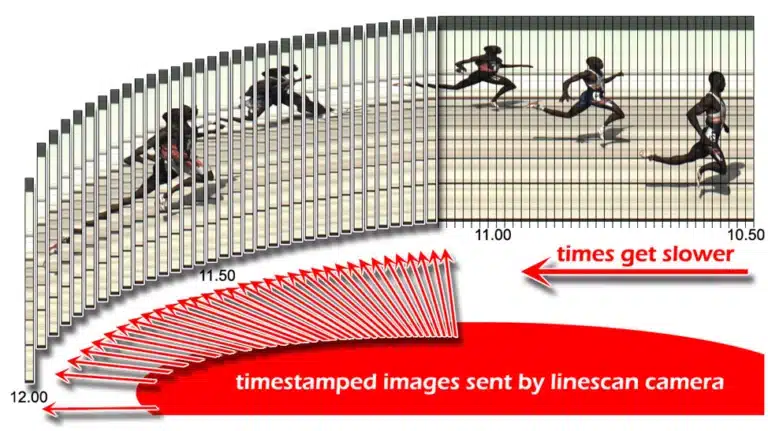
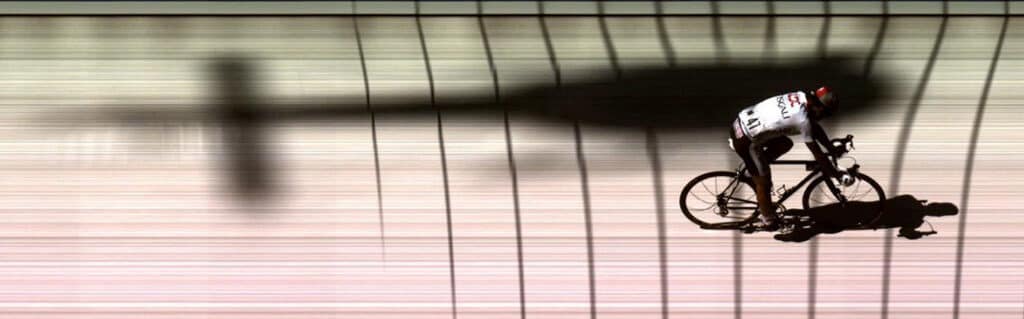
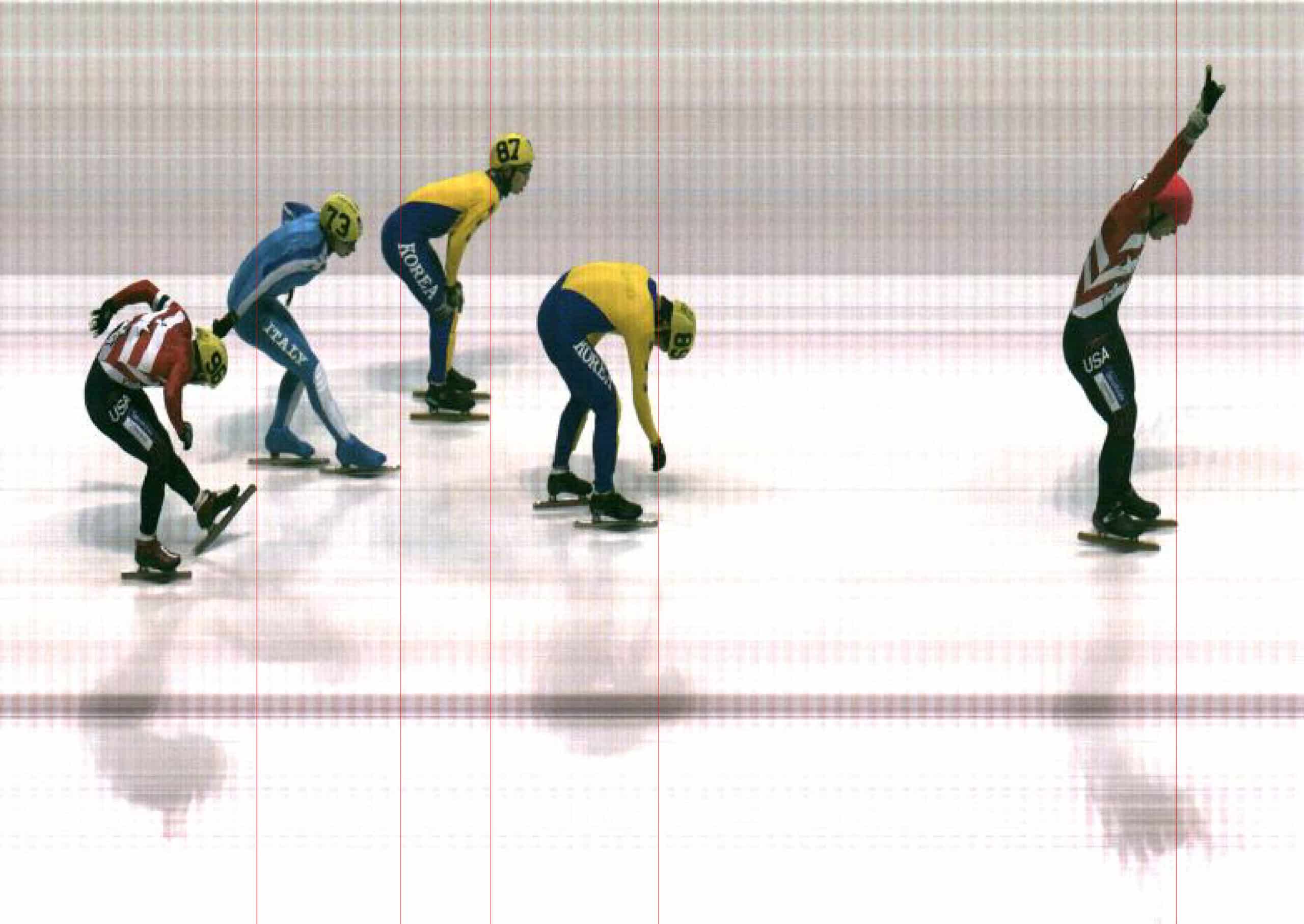
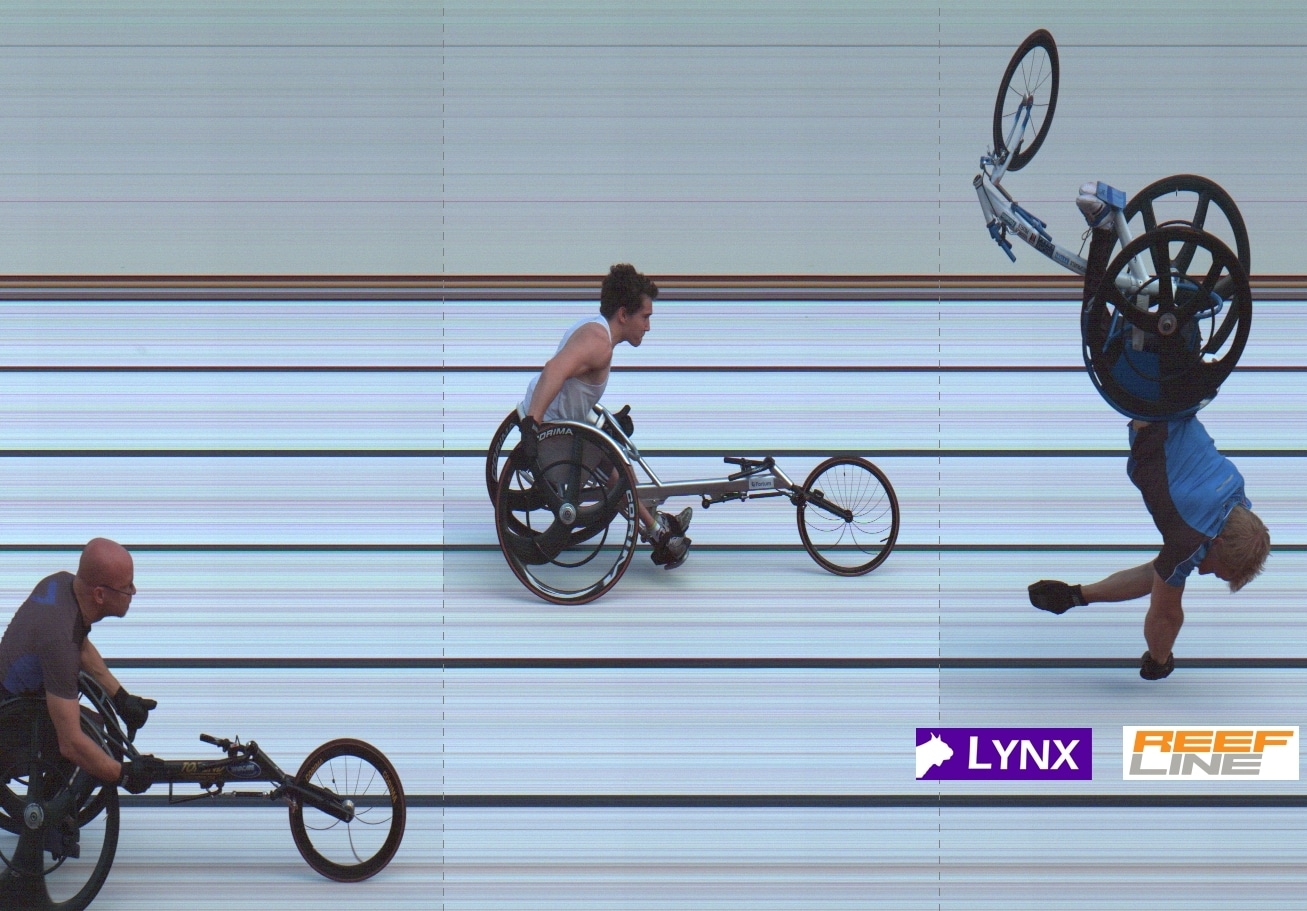
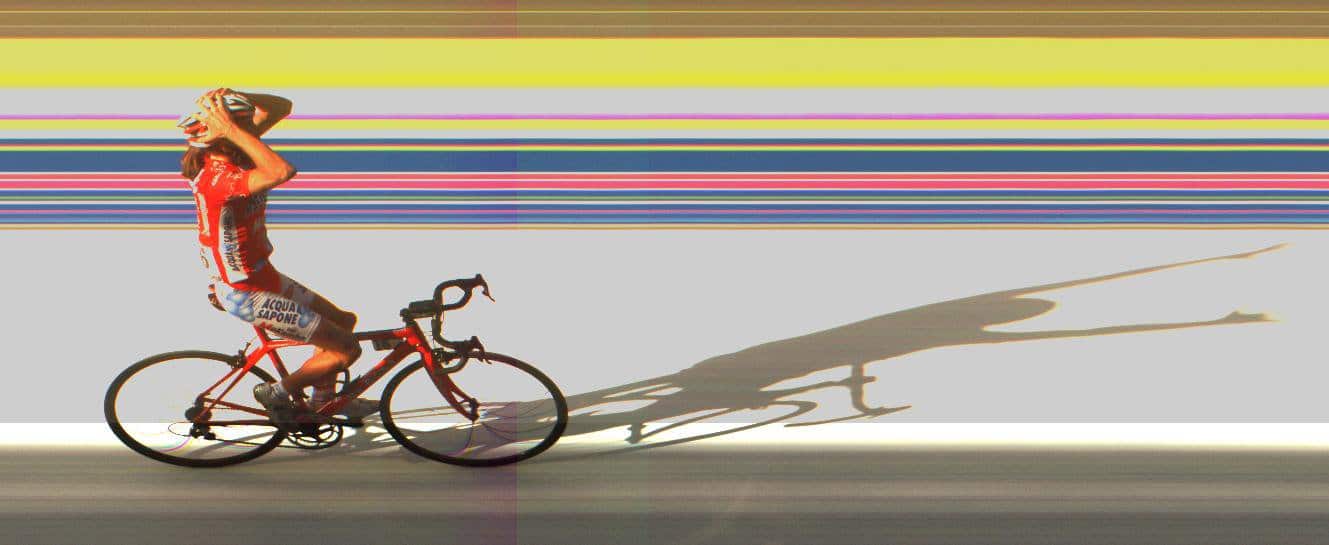
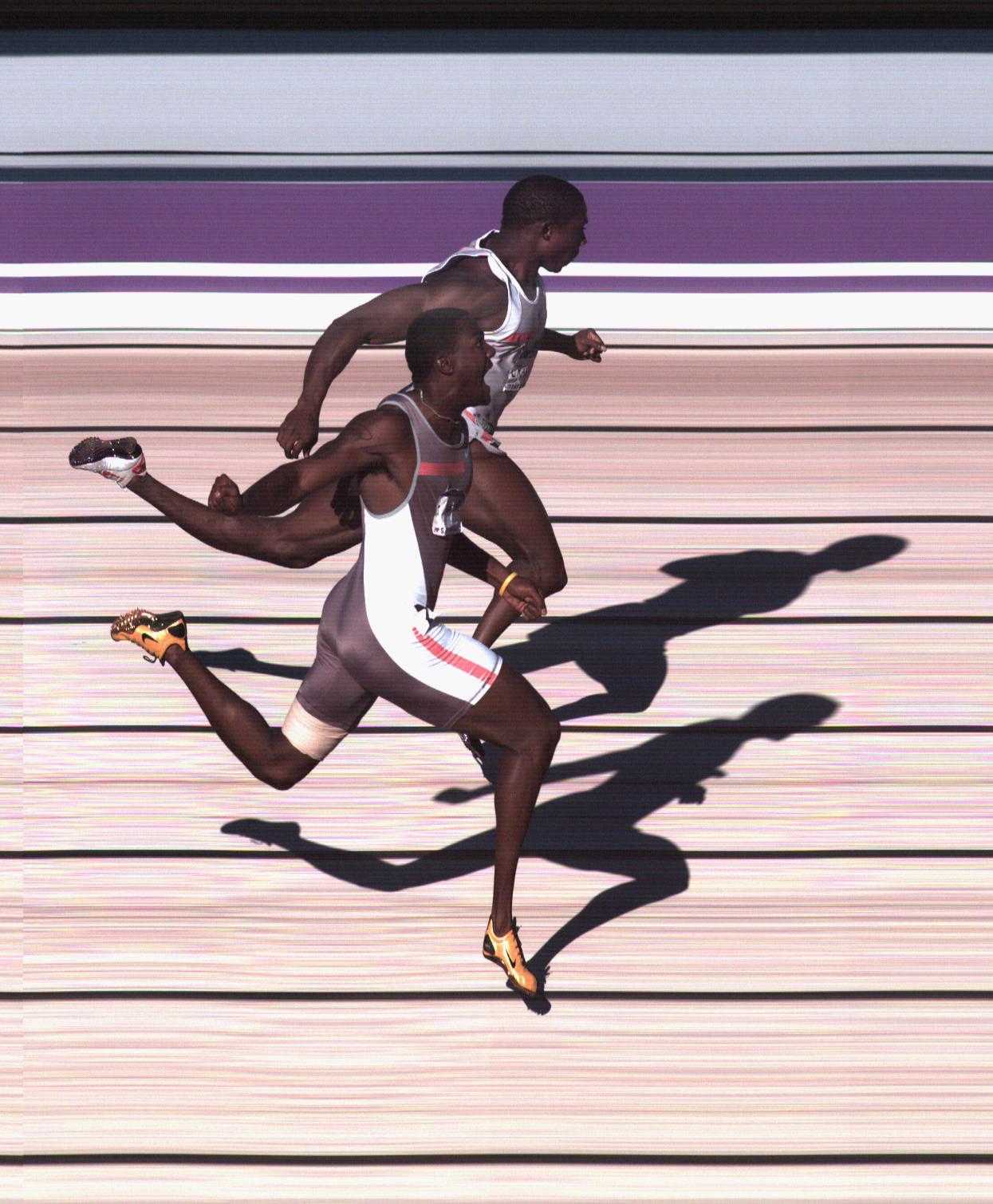
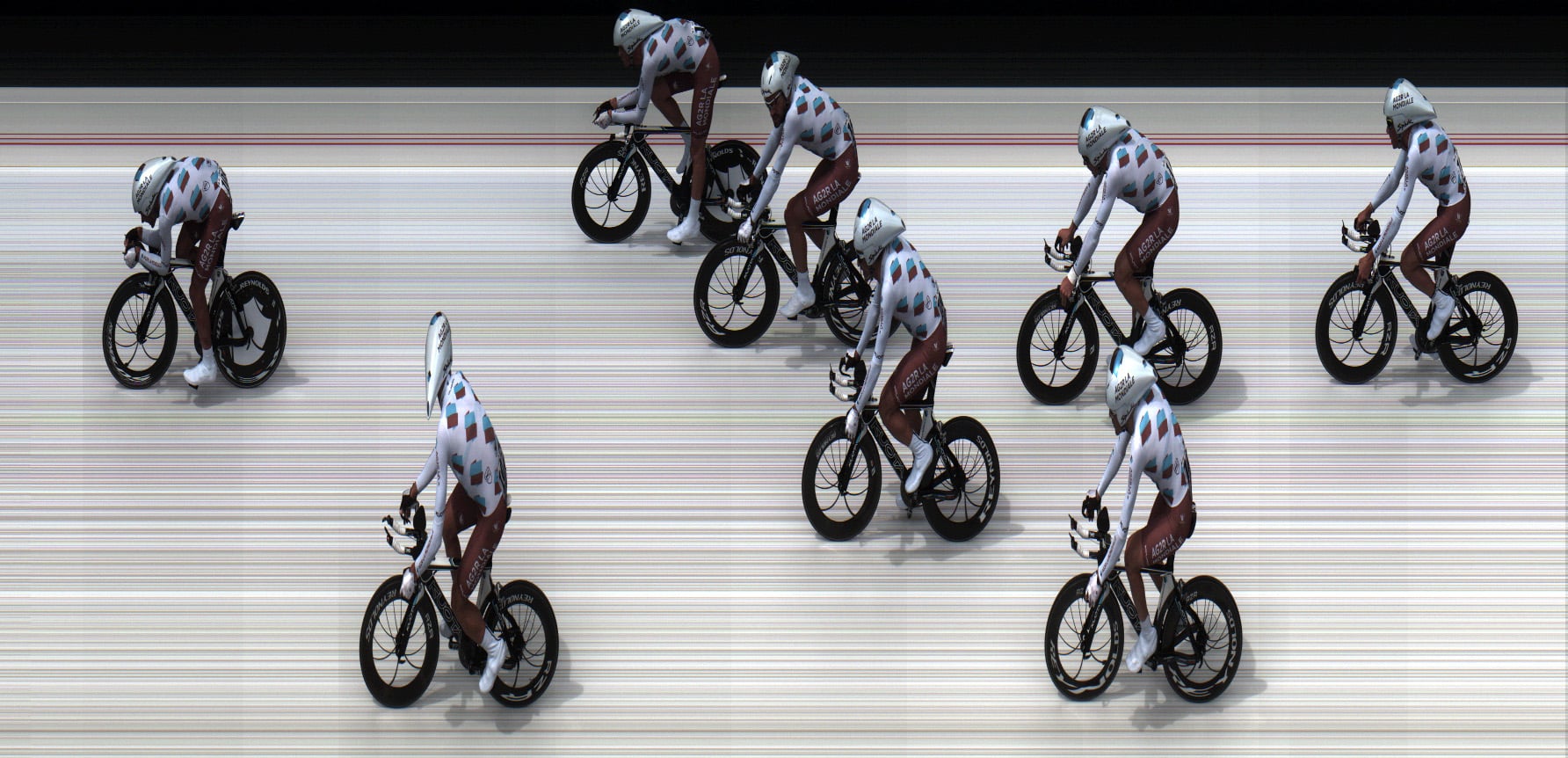
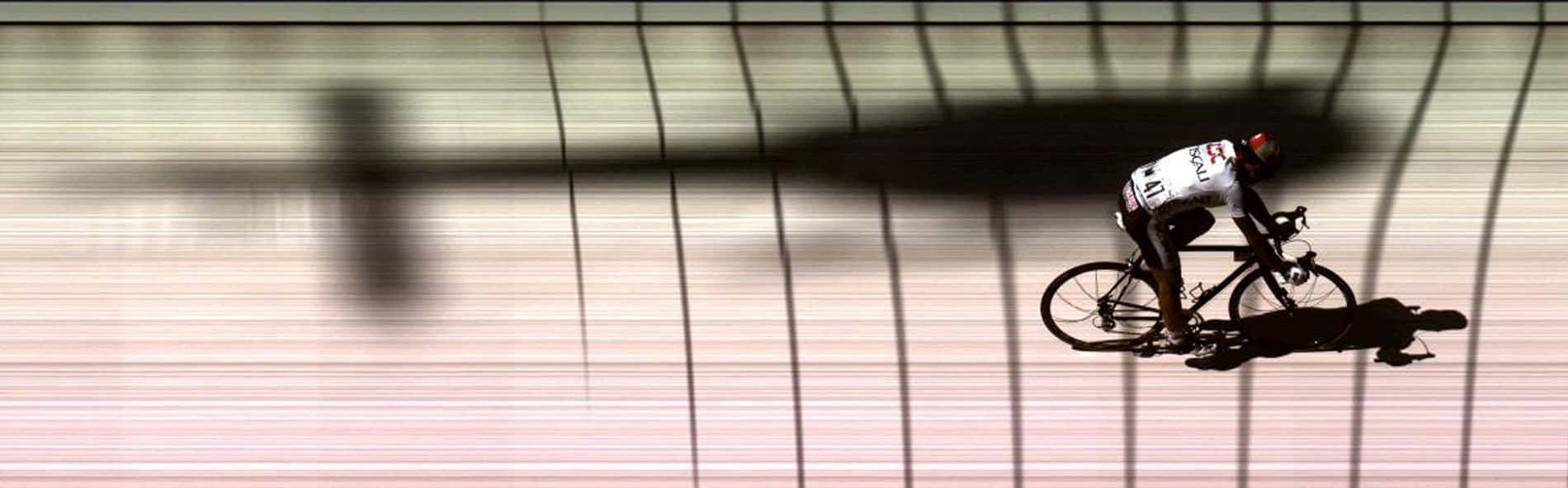
A line-scan photo-finish image is comprised of a series of incredibly thin vertical image slices from the finish line (and any object that is crossing it). EtherLynx line-scan cameras capture these vertical images a thousand times per second or more. Each image slice is timestamped, then combined to create a long, highly precise photo-finish image. As more and more 1-pixel-wide vertical slices are captured and combined, the complete timestamped FinishLynx capture begins to take shape.
For instance, if it takes an athlete one full second for their body to cross the finish line, then it will take 1,000 of these thin vertical image slices to create their entire body on the photo-finish image. Since each sliver is timestamped, you can produce results accurate to within 1/1000th of a second with your FinishLynx camera.
Simulation of a line-scan camera capturing and constructing a photo-finish image

Illustration of line-scan images
Is it Easy to Capture Photo-Finish Results with FinishLynx?
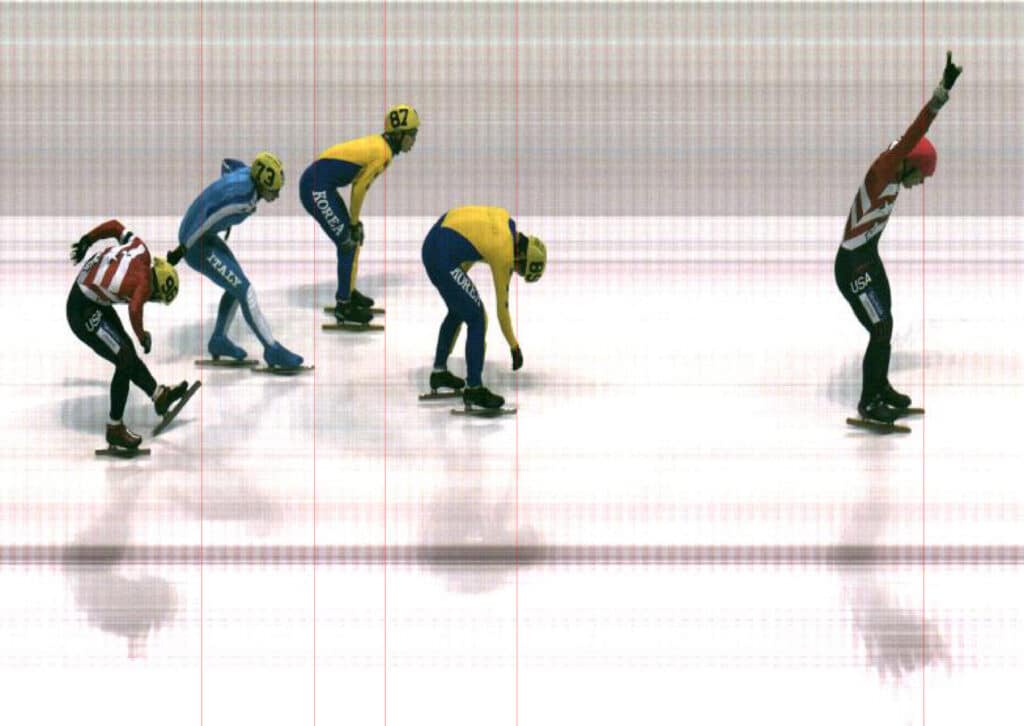
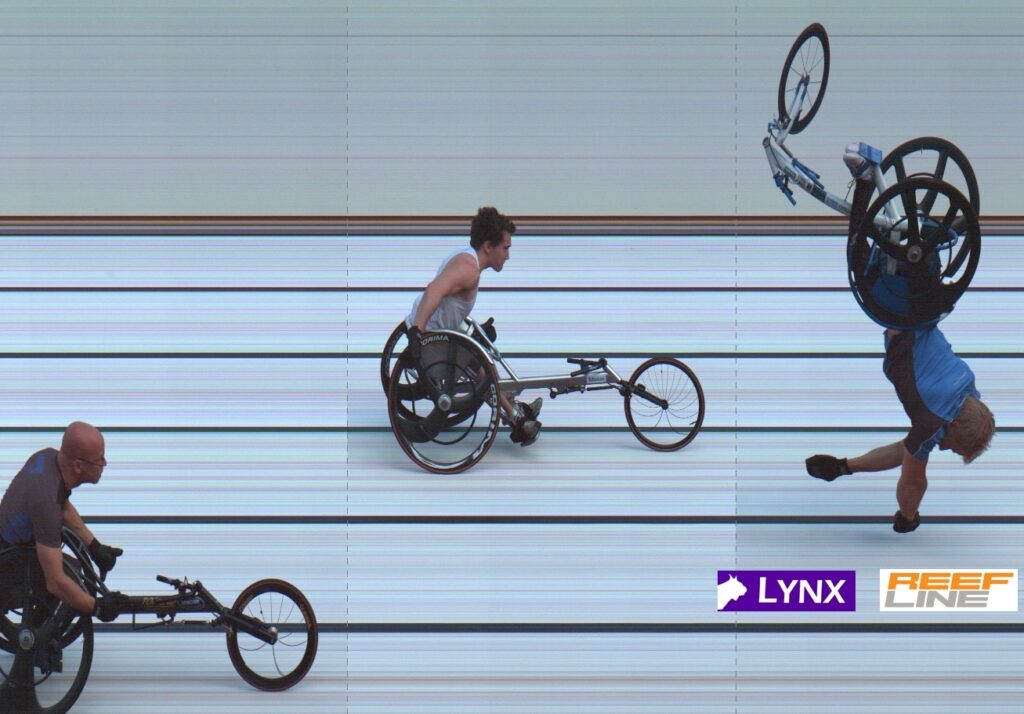
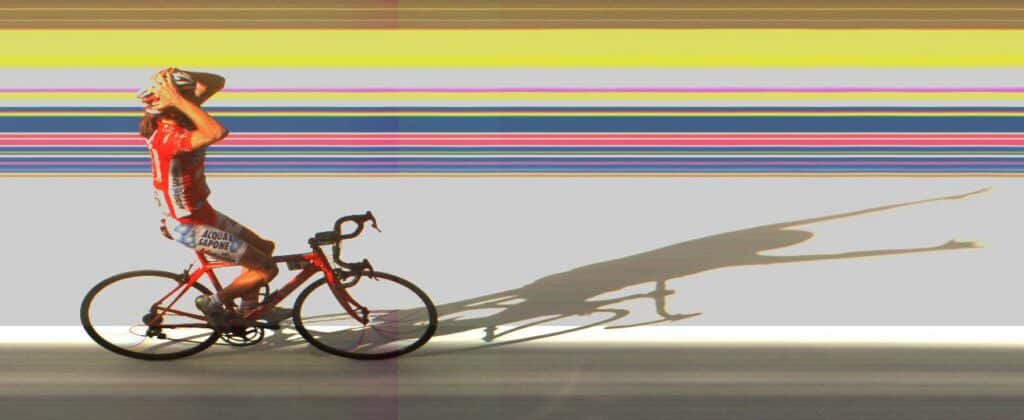
Fully automatic race timing is very easy with FinishLynx. EtherLynx cameras capture a photo-finish results images, which is immediately sent to the FinishLynx software for evaluation. This software displays the time-stamped photo-finish image right in the interface. The user can click anywhere on an image and see the time. Click on any competitor, and you can see the exact moment a torso, tire, ski, or skate crossed the finish line.
Begin capturing by clicking the mouse or Spacebar
Begin capturing by clicking the mouse or Spacebar
Evaluate each athlete by clicking and adding a red line
Save & print results – accurate to 1/1000th of a second
Where Can I Find Fully Automatic Timing Systems For My Sport?
Select an option below to explore FinishLynx packages designed for your application, with flexible configurations to match your needs and budget.